
In manufacturing and engineering, material selection directly impacts product performance, cost, and market competitiveness. Aluminum alloy and steel, as two of the most widely used metal materials, each have unique advantages and ideal applications. How can you make the right choice between them? This article compares their properties, applications, costs, and global trends to help you select the optimal material for your needs.
- Steel: Known for its high strength and load-bearing capacity, steel (e.g., mild steel) typically has a tensile strength of 400-500 MPa, making it ideal for heavy-load applications like construction and machinery. However, its density (7.8 g/cm³) increases transportation and installation costs.
- Aluminum Alloy: While less strong (e.g., 6061 alloy: ~310 MPa), aluminum’s density (2.7 g/cm³) is one-third that of steel, offering an excellent strength-to-weight ratio. This makes it a top choice for aerospace and automotive lightweighting.
- Steel: Prone to rust unless treated (e.g., galvanizing, painting, or using stainless steel like 304/316). Stainless steel resists corrosion but is costlier.
- Aluminum Alloy: Naturally forms a protective oxide layer (Al₂O₃), providing inherent corrosion resistance—ideal for marine, chemical, or outdoor applications.
- Steel: Low thermal conductivity (~45 W/m·K), unsuitable for heat dissipation.
- Aluminum Alloy: High thermal conductivity (235 W/m·K), perfect for heat sinks, electronics, and power transmission (61% of copper’s conductivity).
- Steel: Harder to machine; requires specialized tools and cooling for cutting/welding.
- Aluminum Alloy: Highly ductile and easy to cut, stamp, or cast, enabling complex shapes for medical devices or electronics.
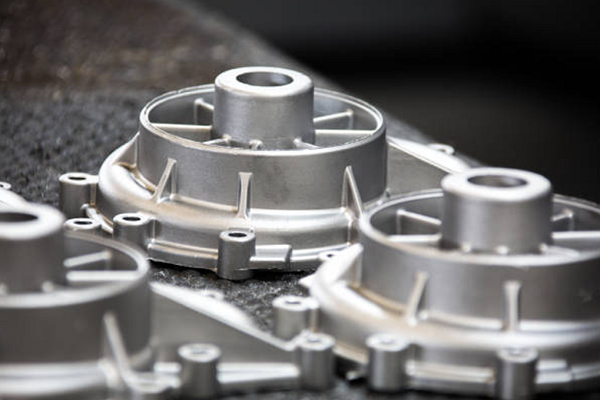
- Transportation: Auto parts, aircraft fuselages, high-speed train components.
- Electronics/Power: Heat sinks, busbars, junction boxes.
- Chemicals/Medical: Corrosion-resistant tanks, surgical tools.
- Construction: Curtain walls, window frames.
- Construction: Rebar, bridges, power towers.
- Heavy Machinery: Excavators, turbines.
- Energy/Marine: Oil rigs, wind turbines.
- Consumer Goods: Cutlery, appliances.
- Steel is cheaper (aluminum costs ~3x more in 2023) due to abundant iron ore and mature production.
- Steel: Lower upfront cost but higher maintenance in corrosive environments.
- Aluminum Alloy: Higher initial cost but saves on transport, installation, and maintenance long-term.
- Aluminum is 100% recyclable with low energy use. Steel is recyclable but has higher carbon emissions.

- Aluminum: Demand grows with EVs and renewables (especially in EU/APAC).
- Steel: Remains dominant in construction, but eco-regulations drive high-strength low-alloy (HSLA) steel adoption.
- World’s top steel producer faces overcapacity. Aluminum thrives in auto lightweighting and 5G infrastructure.
- Hybrid Materials: Combining aluminum and high-strength steel (e.g., car bodies).
- 3D Printing: Aluminum for aerospace/medical; steel for heavy parts.
Consider:
1. Performance Needs: Strength, weight, or corrosion resistance?
2. Budget: Upfront vs. long-term costs.
3. Environment: Exposure to moisture, heat, or chemicals?
4. Machining: Capabilities for complex shapes/hardness?
For precision die-casting solutions (auto parts, electronics, etc.), EDT Diecasting Technology (Suzhou) Co., Ltd. offers:
- Complex Designs: Tight-tolerance, single-step molding.
- Cost Savings: Lightweighting reduces total costs.
- Eco-Friendly: Recyclable materials.
- Customization: End-to-end support from design to machining.
Contact EDT for expert advice to optimize your material choice!
By understanding these factors, you can align material selection with your business goals for maximum value.
Hotline
0512-67371602
E-mail:sales@edt-china.cn
Add:West Building, 66 Songshan Road, Suzhou New District, P.R. China

Hotline